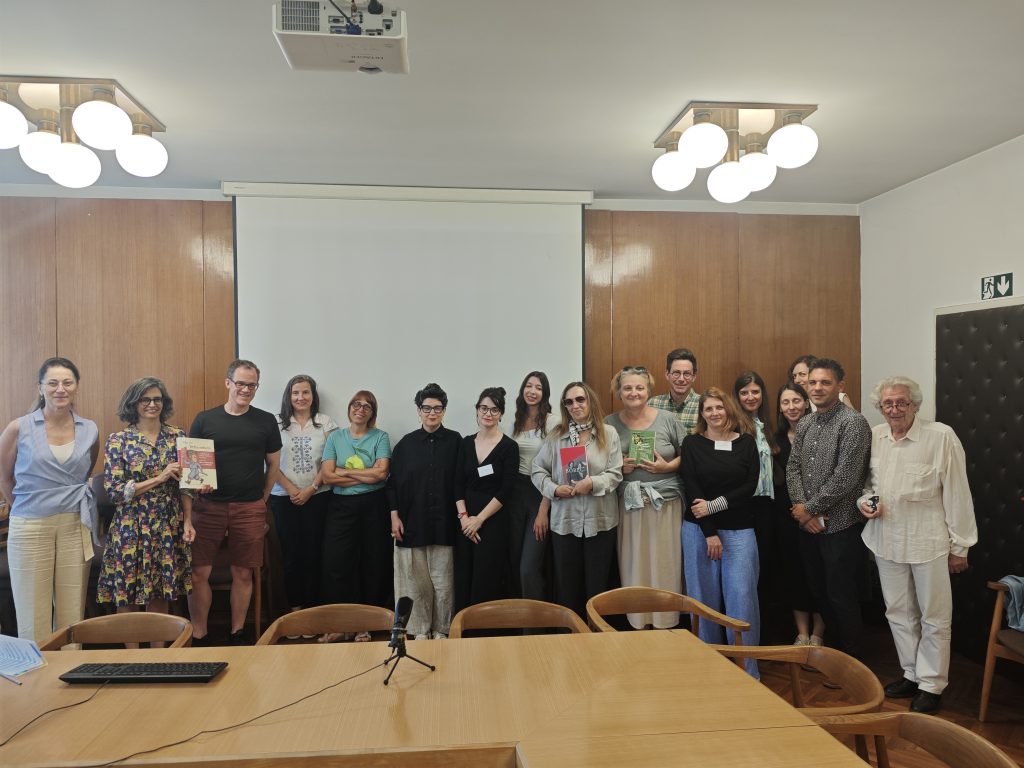
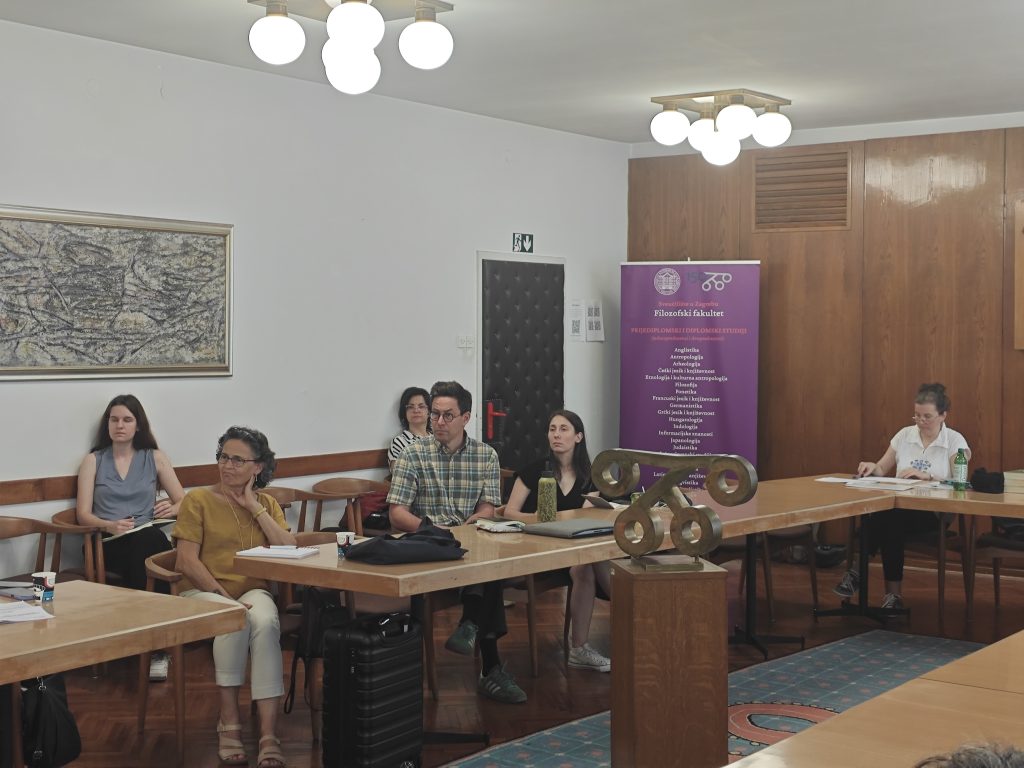
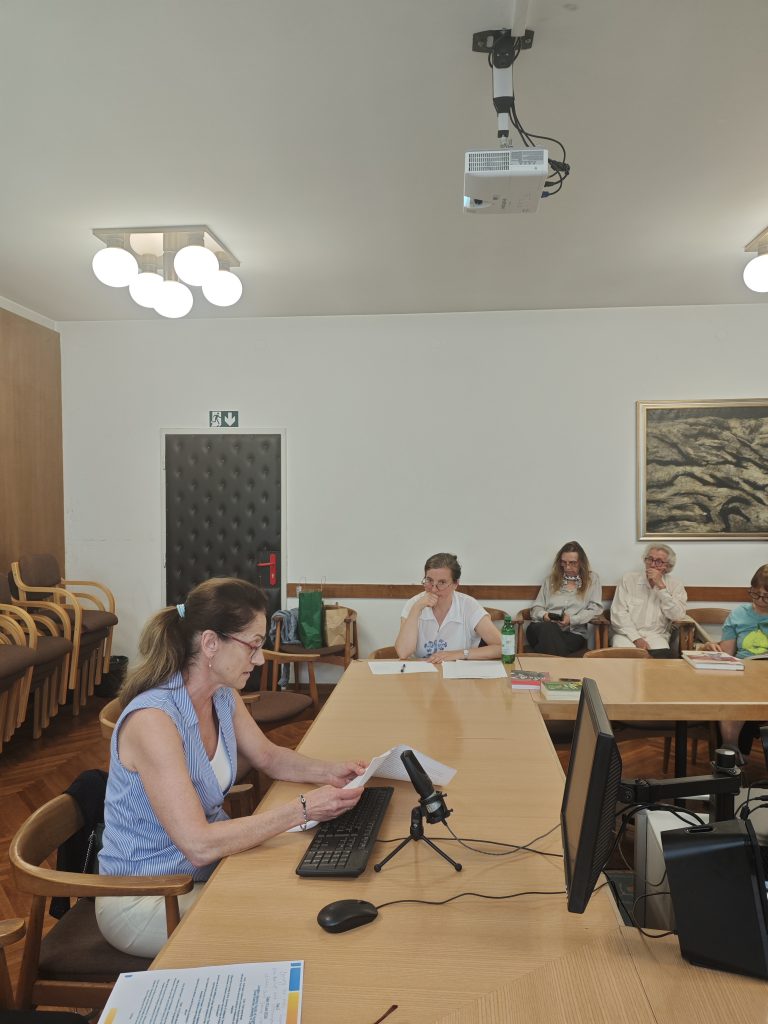
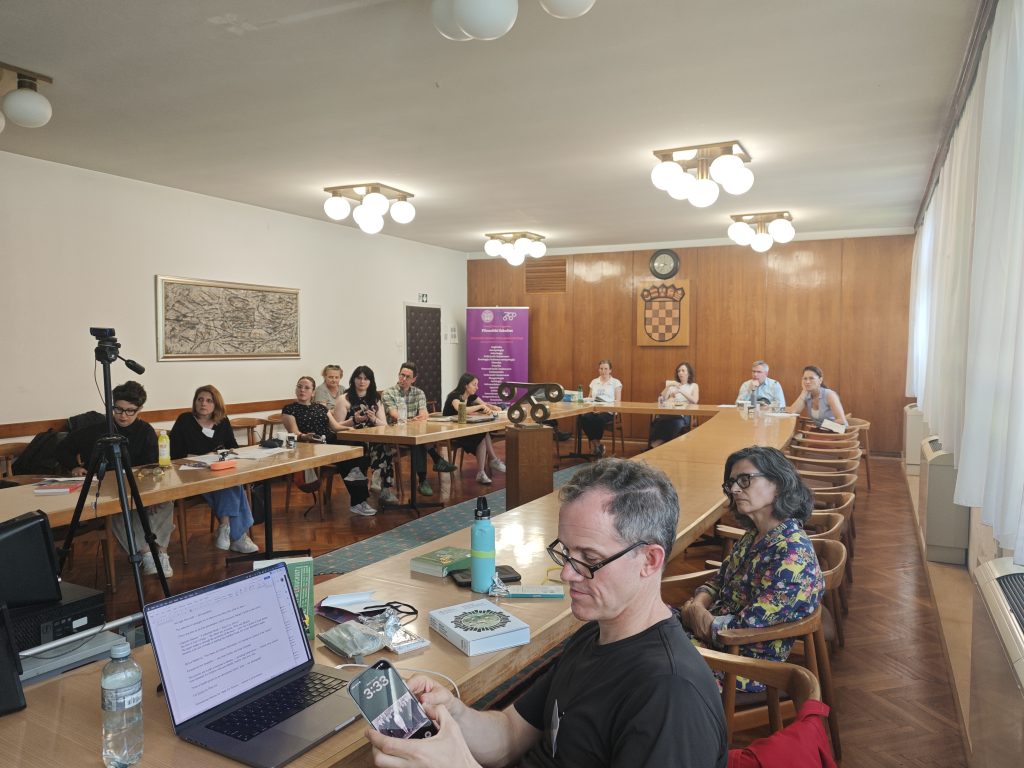
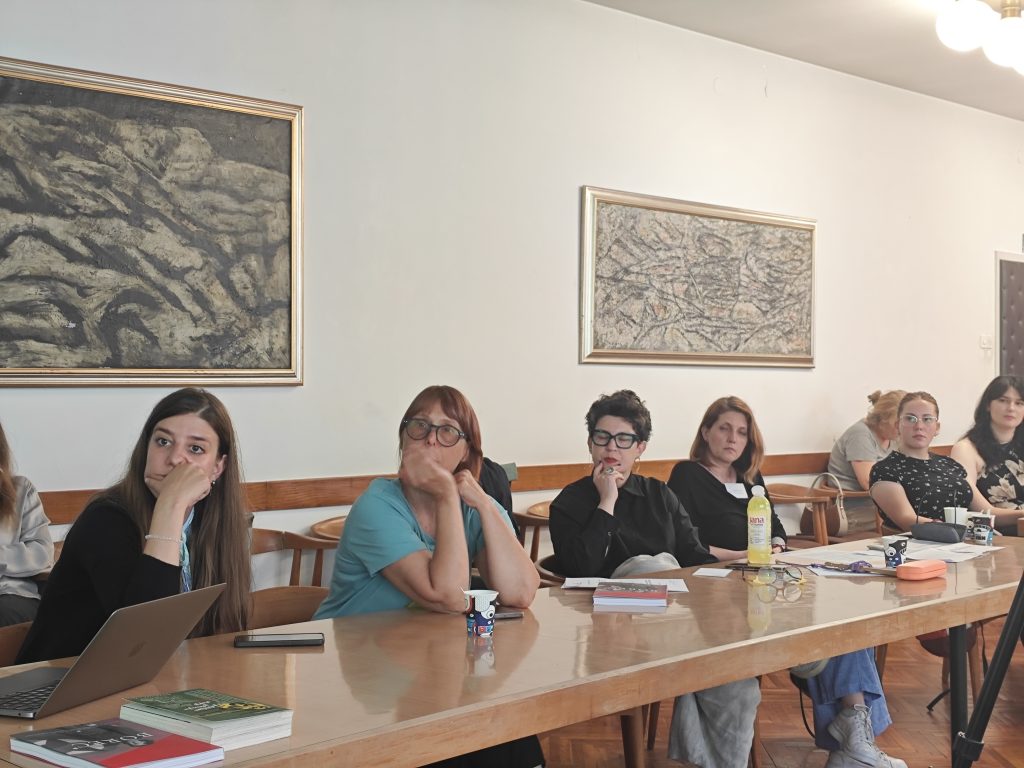
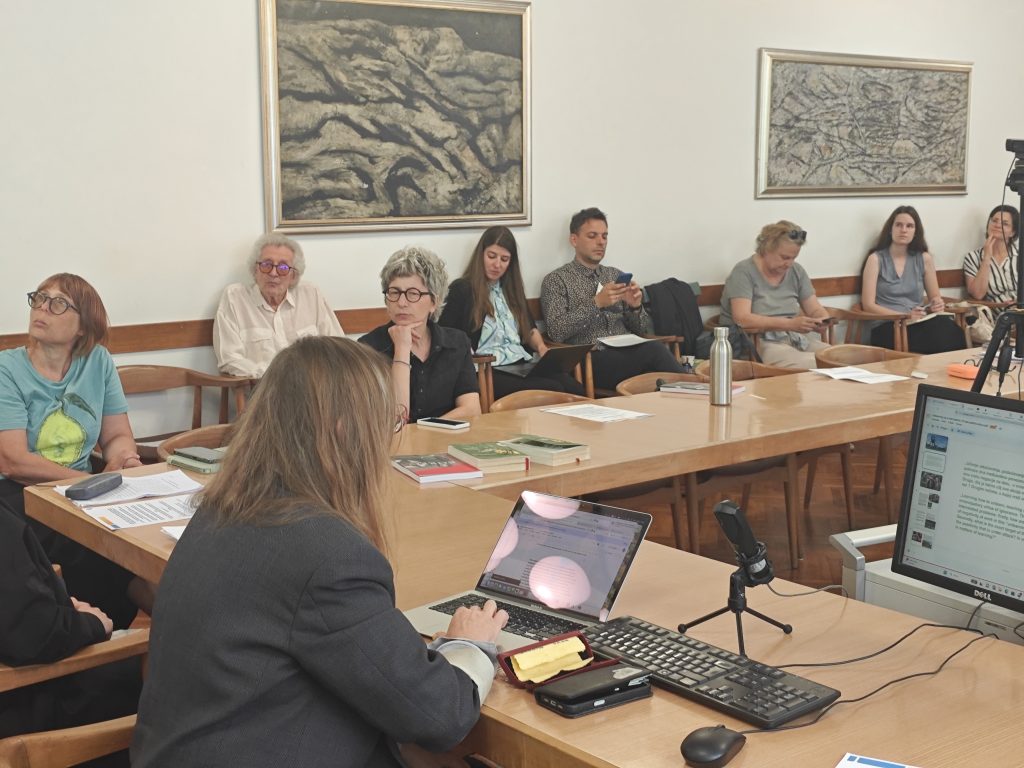
The conference Bending the Rules: Social Radicalism, Wanderlust, and Utopianism in Children’s and YA Literature was held on June 9 and 10 at the Faculty of Humanities and Social Sciences, with the support of the Center for Theoretical Research in the Humanities and the Croatian team of the project Liminal Waterway Countercultures. The conference opened with a book talk discussing The Unpredictable Past of the Future: The Political Potential of Utopia(2024). This bilingual edition is, in fact, the first monographic publication of the first socialist and ecological SF utopia in South Slavic literatures, A Walk Through the Future, which was serialized in 1924 and 1925 in the magazine of “the children of organized workers,” the magazine Budućnost.
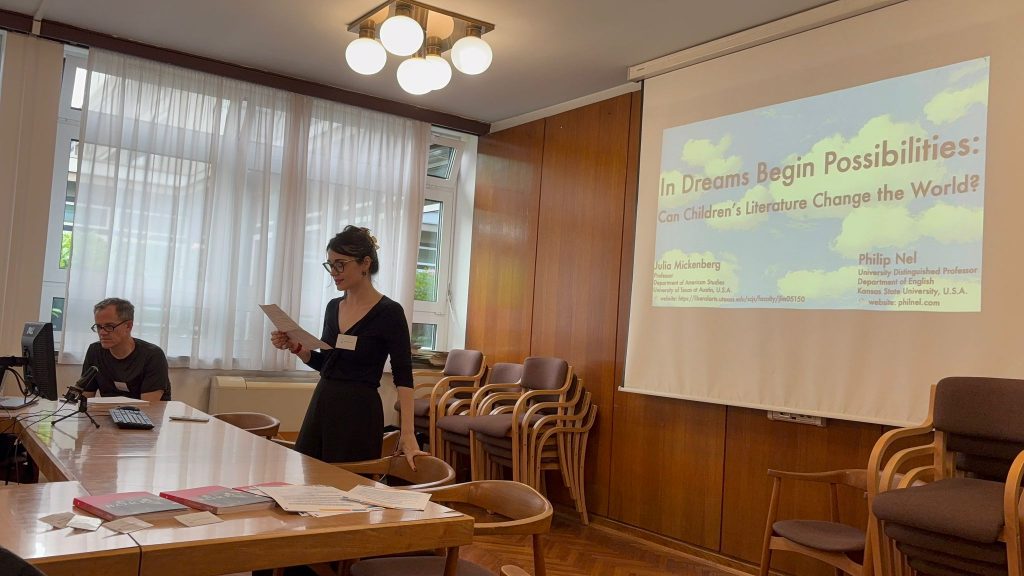
When Biljana Andonovska rediscovered A Walk Through the Future in 2017, she realized that the text fits unambiguously into the concept of “radical children’s literature,” articulated by Julia Mickenberg of the University of Texas at Austin and Philip Nel of Kansas State University. Julia Mickenberg and Philip Nel opened the second day of the conference with a keynote lecture titled “In Dreams Begin Possibilities: Can Children’s Literature Change the World?” The keynote talk explored how literature and the arts can offer social and cultural values in a time of democratic backsliding, expanding censorship, and pervasive self‑censorship.
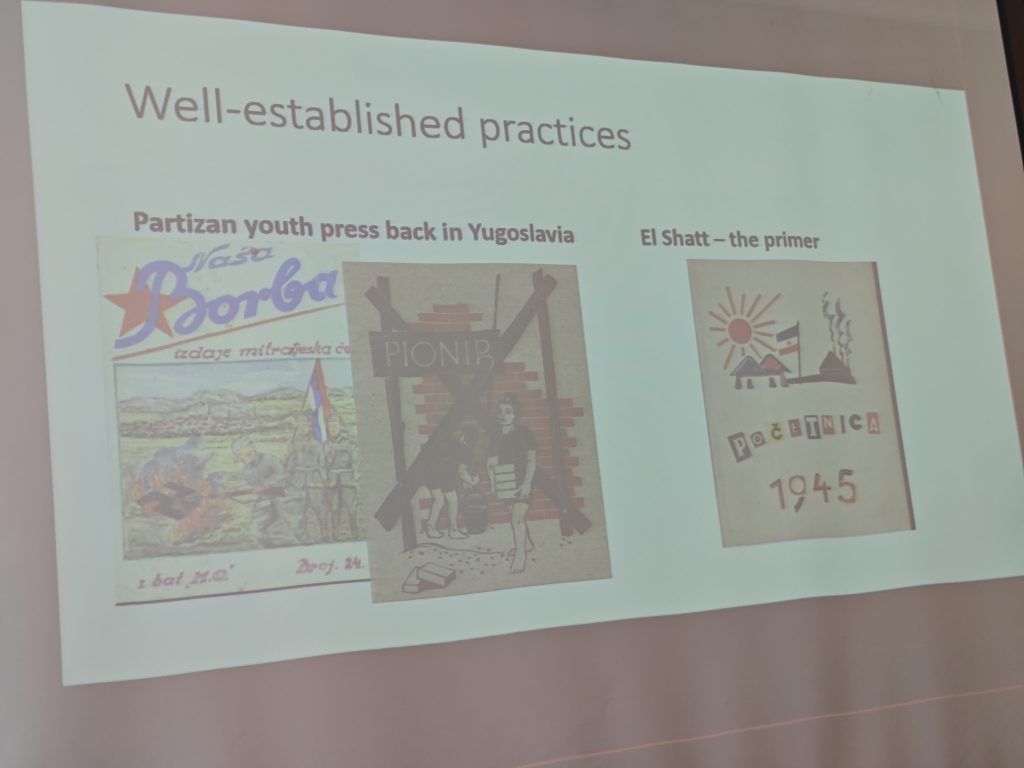
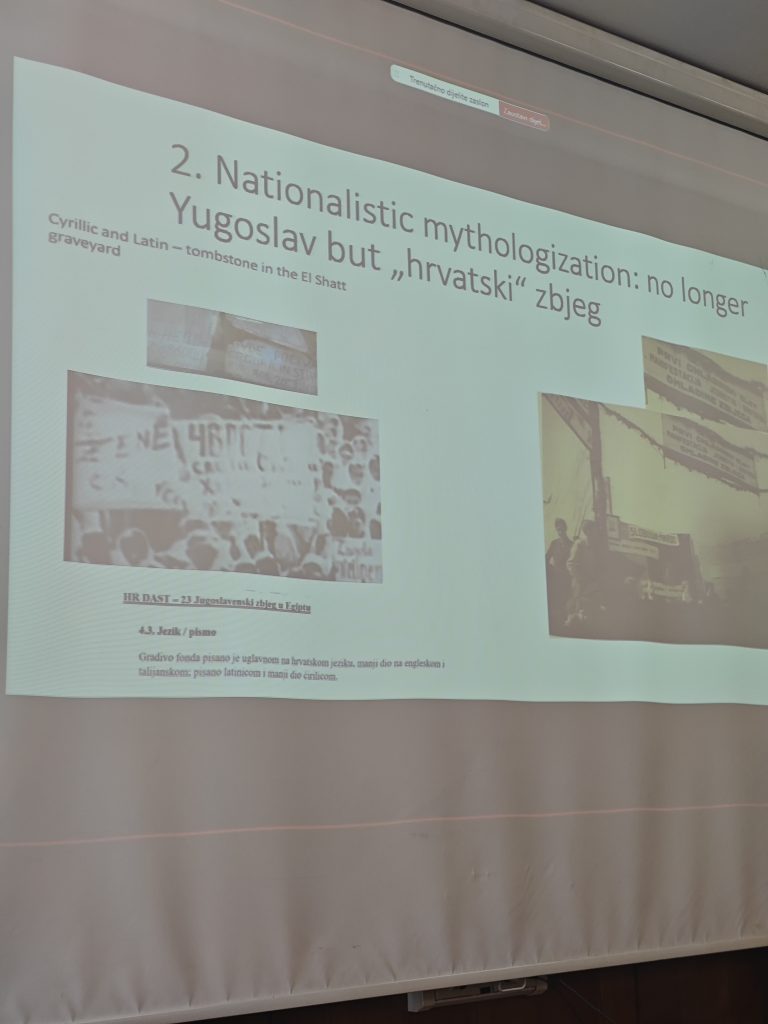
The conference brought together researchers of radical and subversive children’s literature from the United States, Hungary, Croatia, Serbia, Slovenia, Italy, and the Czech Republic. The conference presentations covered a wide range of works, from “classics” of Croatian literature, such as Joža Skok’s novel Sedmi B, to literature emerging from peace and working-class movements, as well as well‑known SF narratives like Alexander Belyaev’s The Star KETS.